
Fasteners
Part of construction materials review

Fasteners are unsurprisingly everywhere in modern construction, but quite easy to overlook. Generally, as far as building codes in the US are concerned, structural fasteners are almost never made of plastic, and the role of plastics in fasteners specifically is limited to corrosion-sensitive, electrically insulating, or lightweight applications. I’ll touch briefly on each of the major fastener types that might be encountered in modern building construction, and if applicable talk about the use of plastics in that category.
Screws, Bolts, Nuts
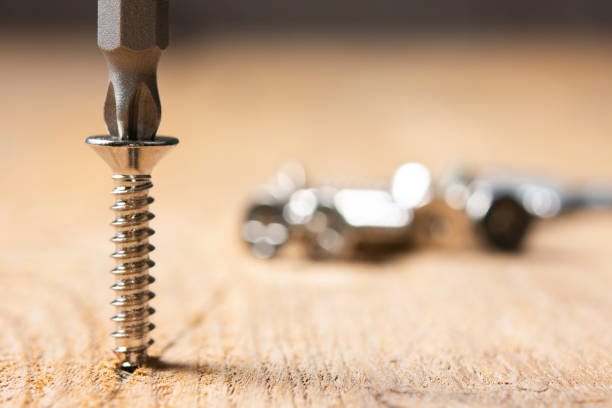
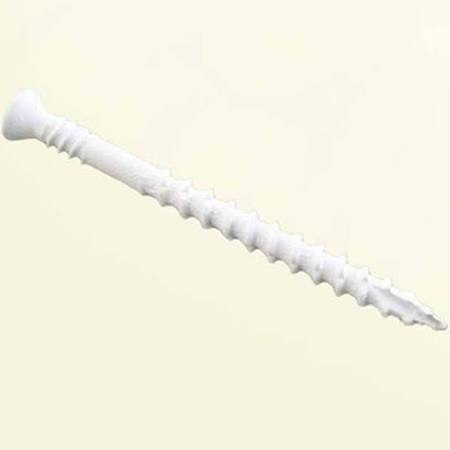
Screws, bolts, and nuts are generally just metal parts with threads cut into them. Plastic screws exist, but are generally limited in usage to certain furniture or trim applications. See example image below of a trim screw made of PVC. These parts are so simple there’s basically no way to sneak any nasty industrial ingredients in undetected. For plastic-avoidance purposes, these are a non-issue.
Nails
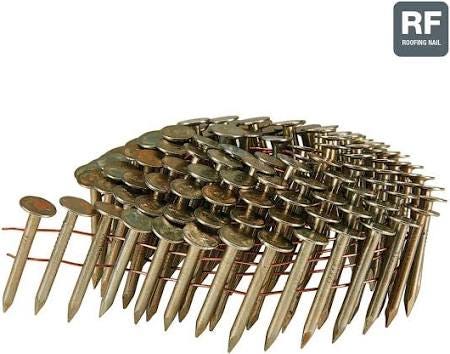
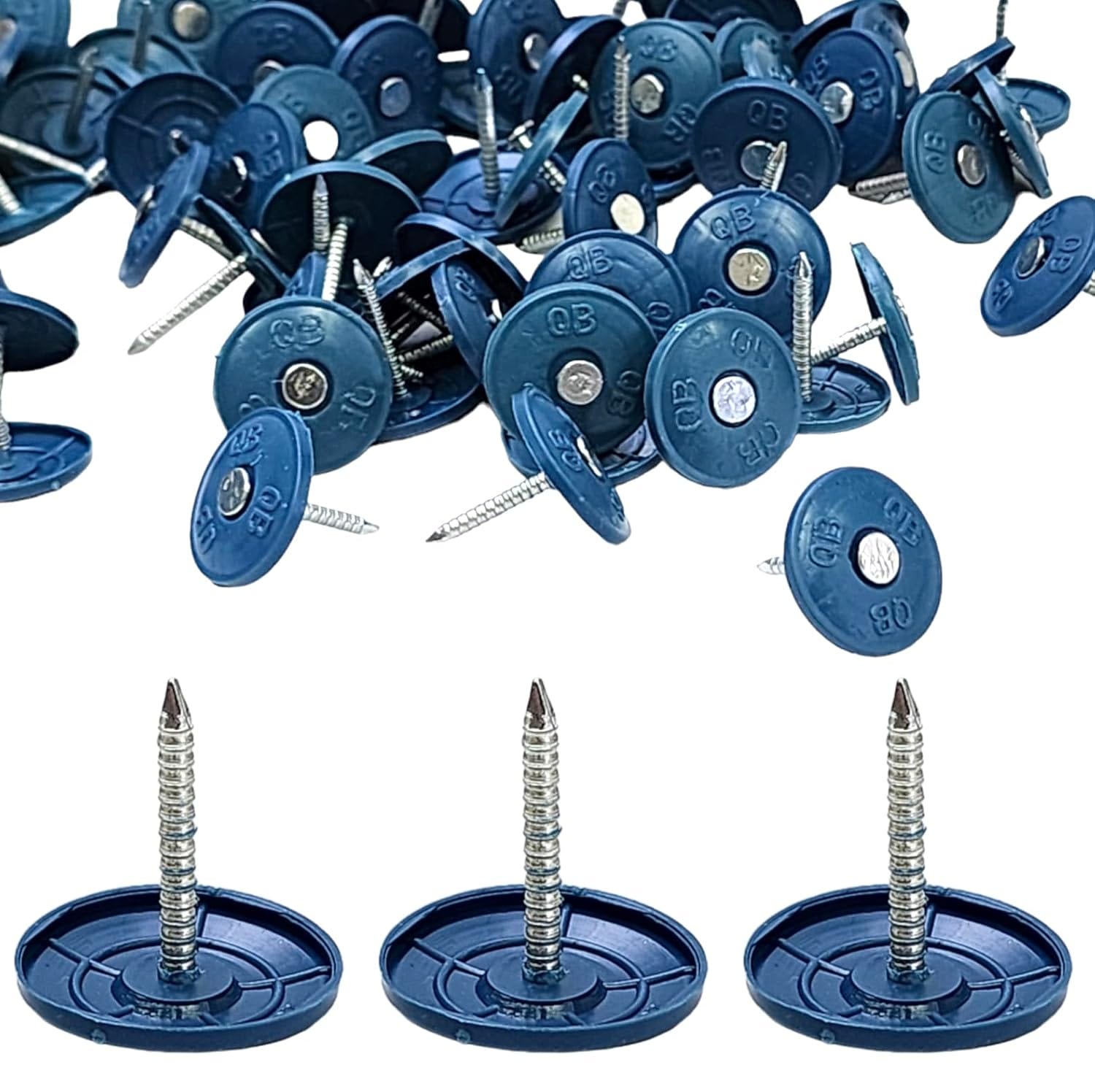
Nails are used on wood and concrete, generally more in single-family construction than in high-rises. Pictured are the two types of roofing nails common in the US, one of which astute readers will notice features a big plastic cap. The purpose of this cap is to provide a wider surface of contact with the roof shingles (which are fiberglass pads coated in tar). This holds the shingles in place more firmly and prevents the smaller metal head from simply tearing through the shingle and thus releasing it. Luckily roofing nails can also come in a zero-plastic version, so avoiding plastic in this fastener type is already trivial and common. As for plywood/framing nails, I haven’t seen any plastic in any such product on offer. Like screws, I think it’s probably very easy to avoid plastic when constructing things with nails.
Staples
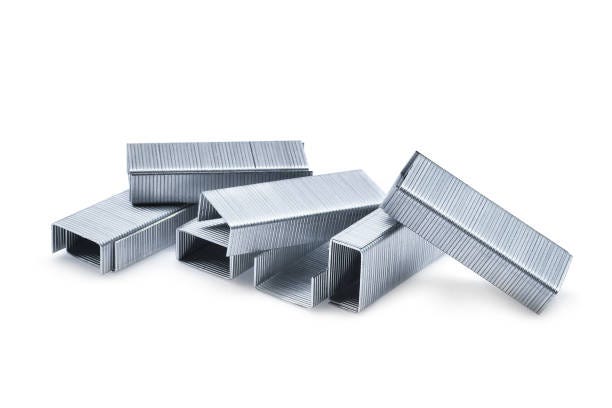
Staples are basically always a bent strip of metal with the points sharpened. I was unable to find any plastic staples listed for sale anywhere, and have never encountered them in real life, either. I don’t think it’s common to use staples in rust-sensitive or electrical applications. Thus, I’d say these pose no issue to a potential zero-plastic construction project.
Anchors
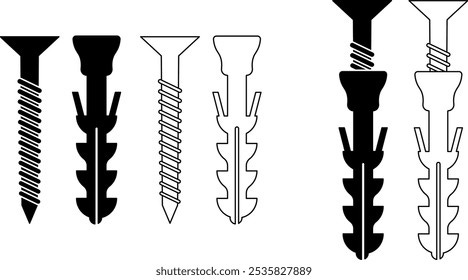
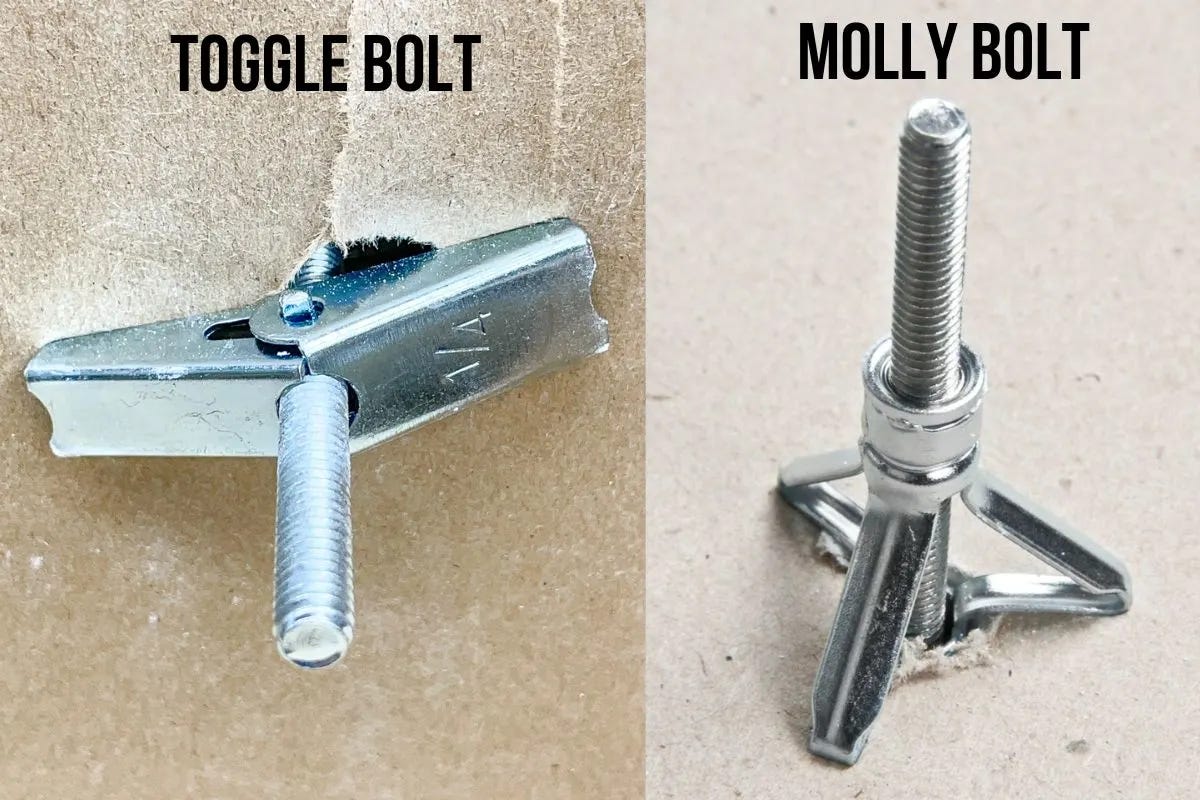
The most common iteration of this fastener type is probably the wall anchor, which is commonly used to attach heavy items like shelves to drywall. Anchors are also used to secure things to concrete. Unfortunately, anchors are most often a solid sleeve of some durable plastic like nylon, into which is inserted a screw or other fastener which would otherwise wear down the loose or crumbly material being drilled into. There are non-plastic options, which can be seen in the 2nd picture below. I’d say in the US, wall anchors are a very low-usage fastener type, generally installed by homeowners on an on-demand basis as opposed to being consumed in bulk by homebuilders themselves. Thus, a zero-plastic construction project shouldn’t have any trouble with these, as the metal options, while surely more expensive, are hardly going to kill a project economically.
Rivets
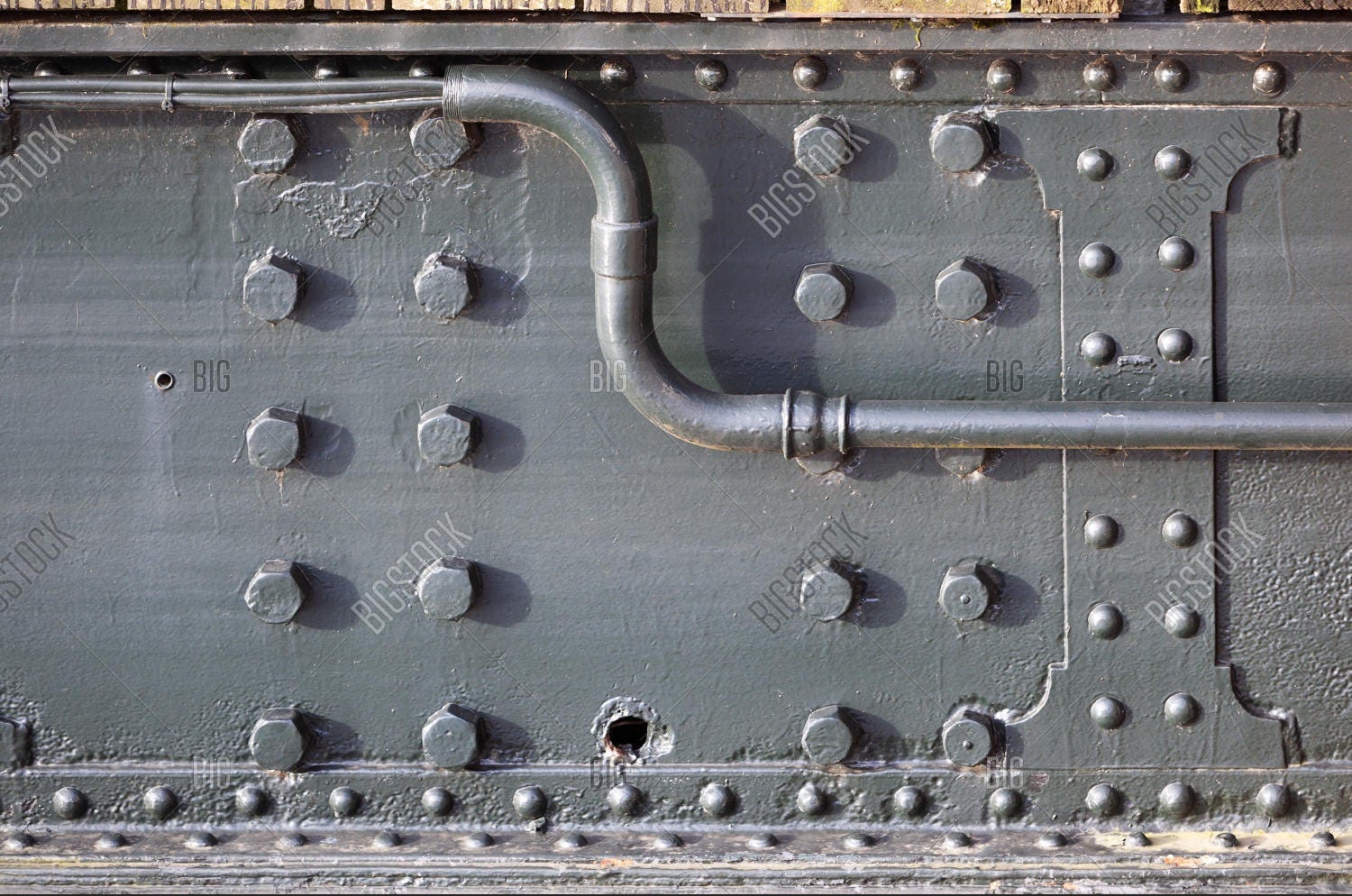
Rivets are permanent fasteners that work by deforming one end of the fastener body at installation time. Generally, for heavy structural steel construction as in the image, rivets are almost always metal, and thus no concern to a zero-plastic project. Plastic rivets have some use, particularly in automotive & furniture applications, but as a structural fastener in construction projects they’re pretty rare.
Clips, Clamps, Brackets, Ties, etc.
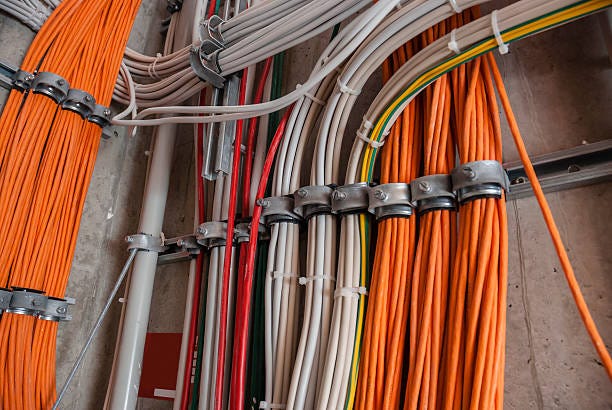
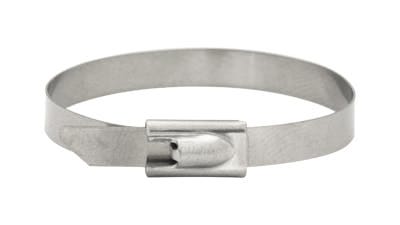
There are way too many of these to provide pictures of every type, but these are commonly used to route cables within buildings. As seen in the picture, these can be metal or plastic, with the ubiquitous ziptie being the most common plastic type. Given the range of options, a zero-plastic construction project should have no issue choosing non-plastic ones.
Washers and Spacers
These increase the surface area of another fastener, most often a screw but also, as seen in the case of roofing nails, other types. They can be metal or plastic, and because these are so common it’s generally a non-issue finding non-plastic options.
Snap Fasteners
These are a type of fastener that emerged recently. This video demonstrates. The idea is an anchor is drilled into the interior wall, into which is drilled a snap-receiver, then some other object like a wall panel with the matching snap-part is simply pushed into place and held securely. It can then be snapped off when desired. As can be seen in the video, this is a very plastic-heavy fastener type. It also luckily seems somewhat uncommon.
Conclusion
That does it for fasteners. I think the picture in this category is much rosier for potential zero-plastic construction projects than in other areas like paint. Fasteners are generally metal, cheap, durable, and non-toxic already, and there’s not any strong reason I can think of to change from the existing norm.
Thanks for reading, wrapping up the construction materials review soon :)